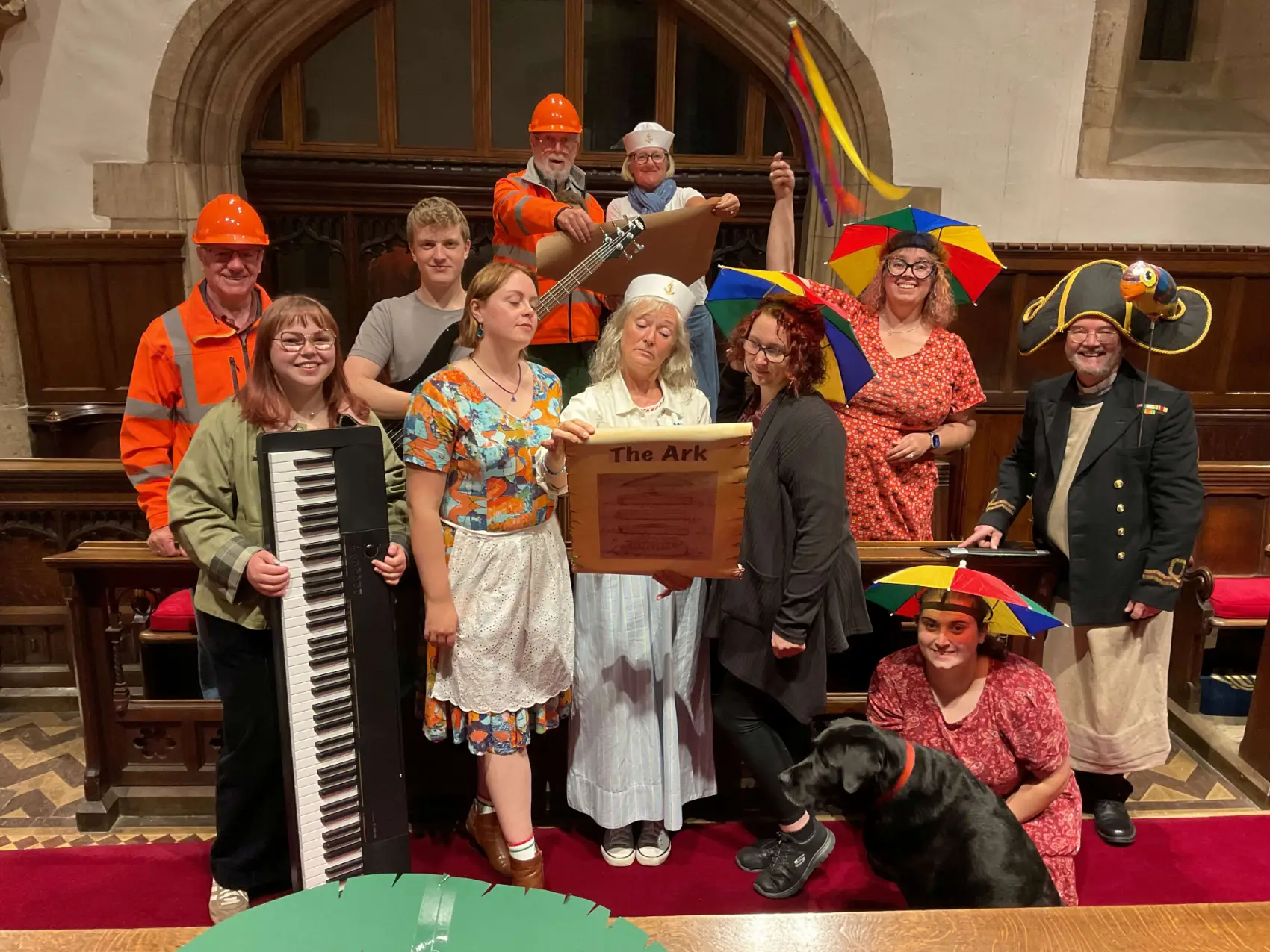
Noah and the Ark – musical play brings church and community together
Church and community members will join together for a performance of Noah and the Ark at St Mary’s Church in…

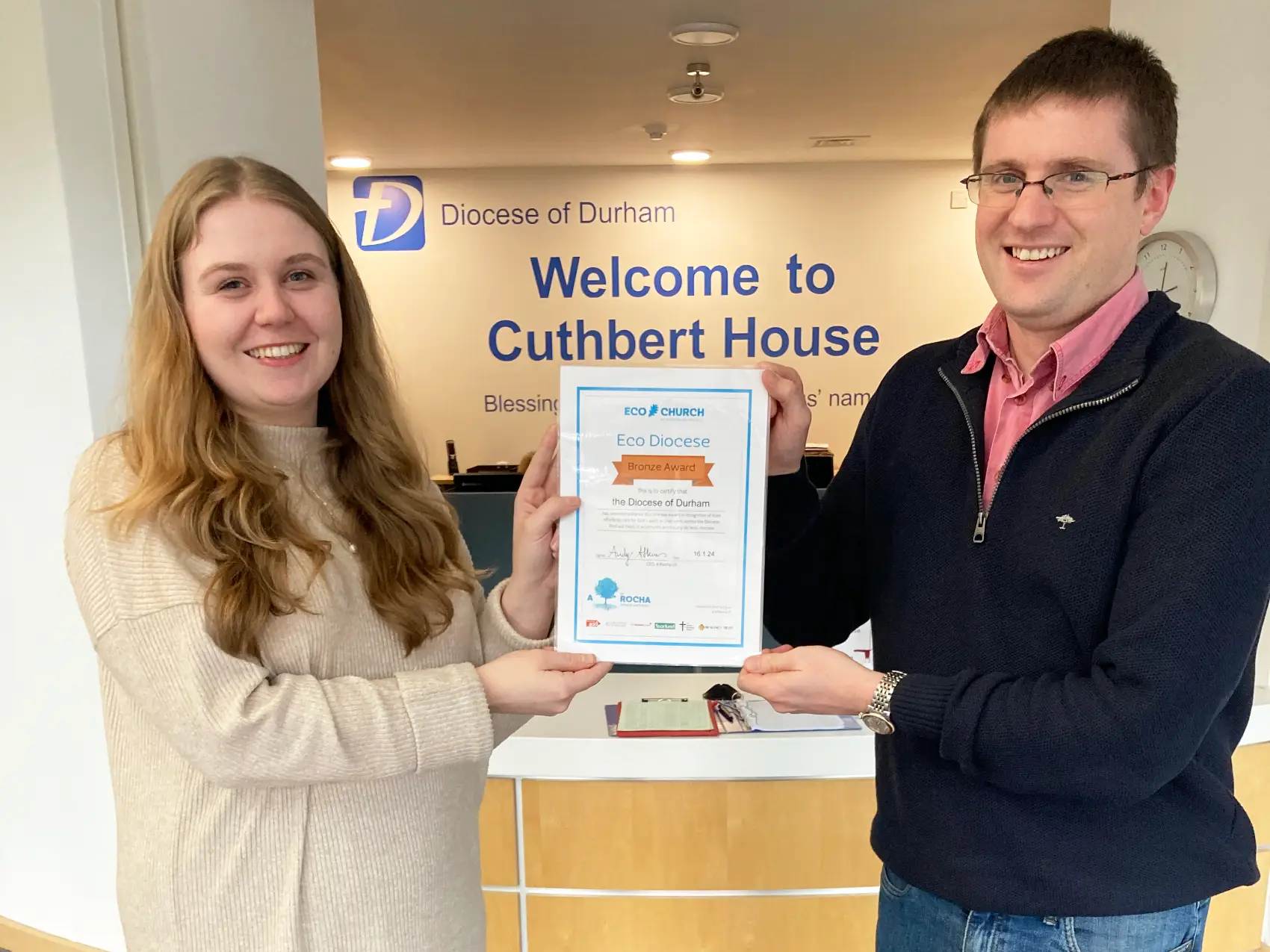
Durham Diocesan office reaches Net Zero Carbon.
It was an ordinary workday for Durham Diocese’s Environment Officer, Bethan Still, when she filled in the office’s environmental audit and found something extraordinary. The Diocesan Office had reached net zero carbon!
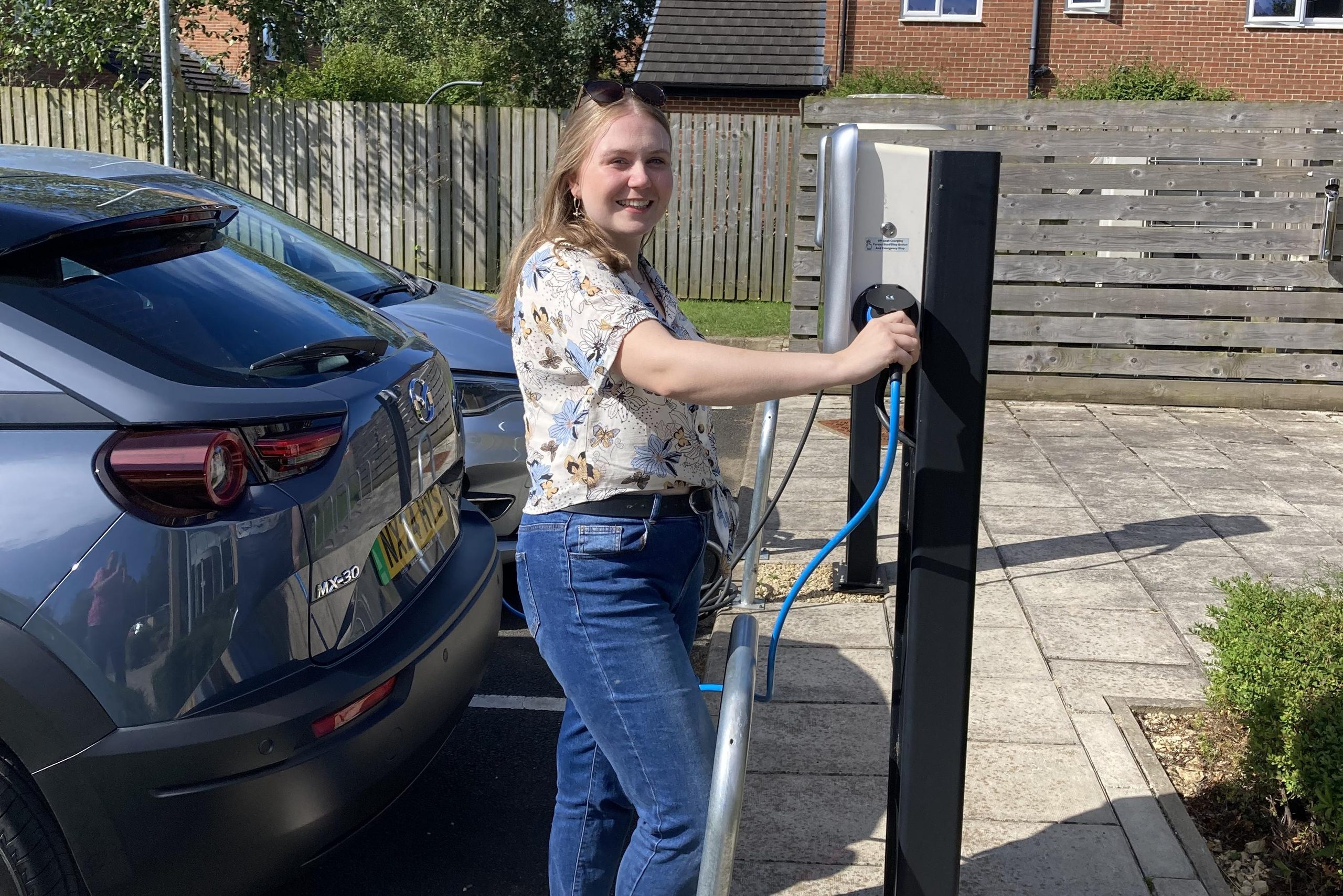
The Diocese had been working towards this for some years and office building, Cuthbert House, opened in 2014, has both underfloor heating and air conditioning. Most recently, EV chargers for staff and visitors have been installed and the Diocese has taken on a green electricity tariff.
But there was a gas boiler. Water leaking into the roof meant that the gas boiler was damaged early on in its life. More change was afoot.
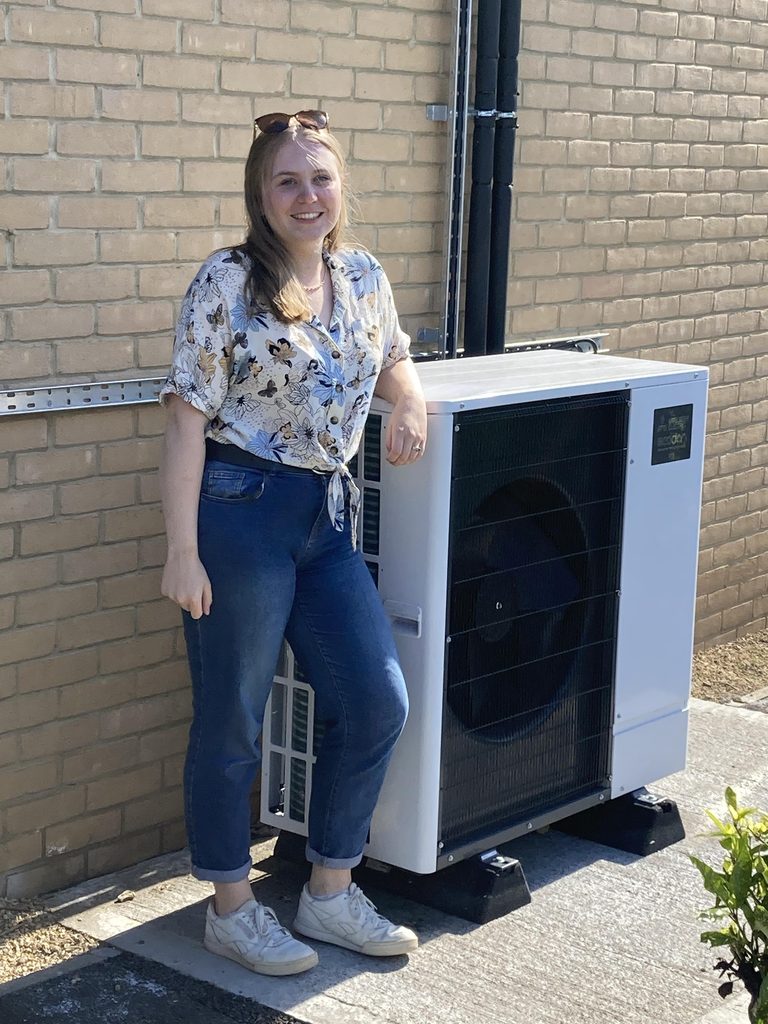
In 2023 an air source heat pump was installed and all the lights were changed to LEDs. A year later, 93 solar panels were set on a new, improved roof and the gas boiler was disconnected.
It took time to see the change but after filling in the Energy Footprint Tool in 2025, it became clear that the building was completely net zero carbon.
“I was so excited,’ said Bethan. “It was an exciting moment for the Diocese. As Christians, we are called to be good stewards of our environment, so what an opportunity for the Diocesan Office to lead by example.”
These improvements are expected to deliver annual savings of around £6,000 on gas bills, with a longer-term goal of achieving a further £6,000 reduction in electricity costs.
Already, people visiting the diocesan offices “have noticed a positive change” she said. “Generally, people are much more receptive to our efforts to be energy efficient than I expected.”
While the transition has been successful, there have been some challenges, particularly in learning how to operate the heat pump effectively. Early adjustments, such as turning the heating down too much during winter, resulted in the offices becoming uncomfortably cold.
The next step is for Bethan – and others – to inform and inspire the parishes, so that they can see what is possible.
And she’s encouraged that the Bishop of Durham, Rick Simpson, was among those who championed for a net zero carbon approach in 2019 when he was Archdeacon of Auckland.
At the time he wrote, ‘Mission must embrace evangelism, church growth, loving service, the pursuit of justice and the safeguarding of creation.’
And already, Bethan is hopeful that churches are taking steps to care for God’s creation.
“Parishes are engaged in reducing energy consumption,” she said. “It’s amazing to see the changes on the ground in our diocese and that gives me hope. Being energy efficient doesn’t have to be a drastic all or nothing approach – small steps to start with can slowly transform into something bigger. The more churches that take small steps, the more hope there is.”
Across the country, many churches are struggling to attract young people to join their congregations but as Bethan notes, “this generation is also highly engaged in climate and environmental issues. If they can see that the Church is serious in caring for the environment, it gives me hope that young people will come to church to find out more. It’s missional!
“Sometimes we feel like what we are doing is a drop in the ocean,” she added, “but trailblazers cause people to ask questions, and that’s how action and change can come about. It definitely gives me hope.”
Church and community members will join together for a performance of Noah and the Ark at St Mary’s Church in…
The Diocese of Durham has joined a North East partnership which is dedicated to achieving net zero. The Darlington Employers…
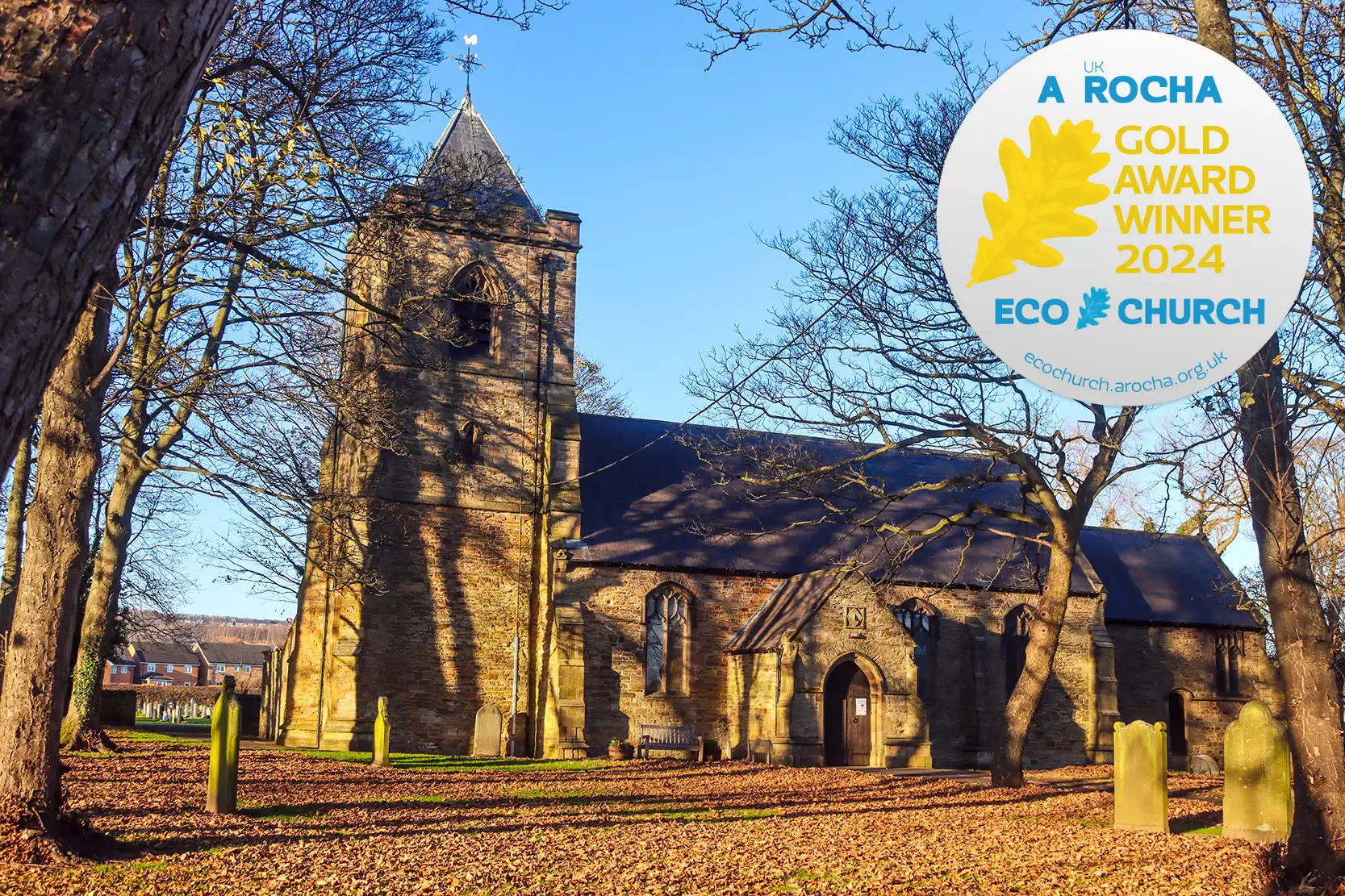
A semi-rural church in Durham Diocese is celebrating after receiving a top eco award. St Stephen’s, Willington (pictured above), has…

An award-winning school is working towards the next stage of an initiative about global issues and the Christian responsibility to…
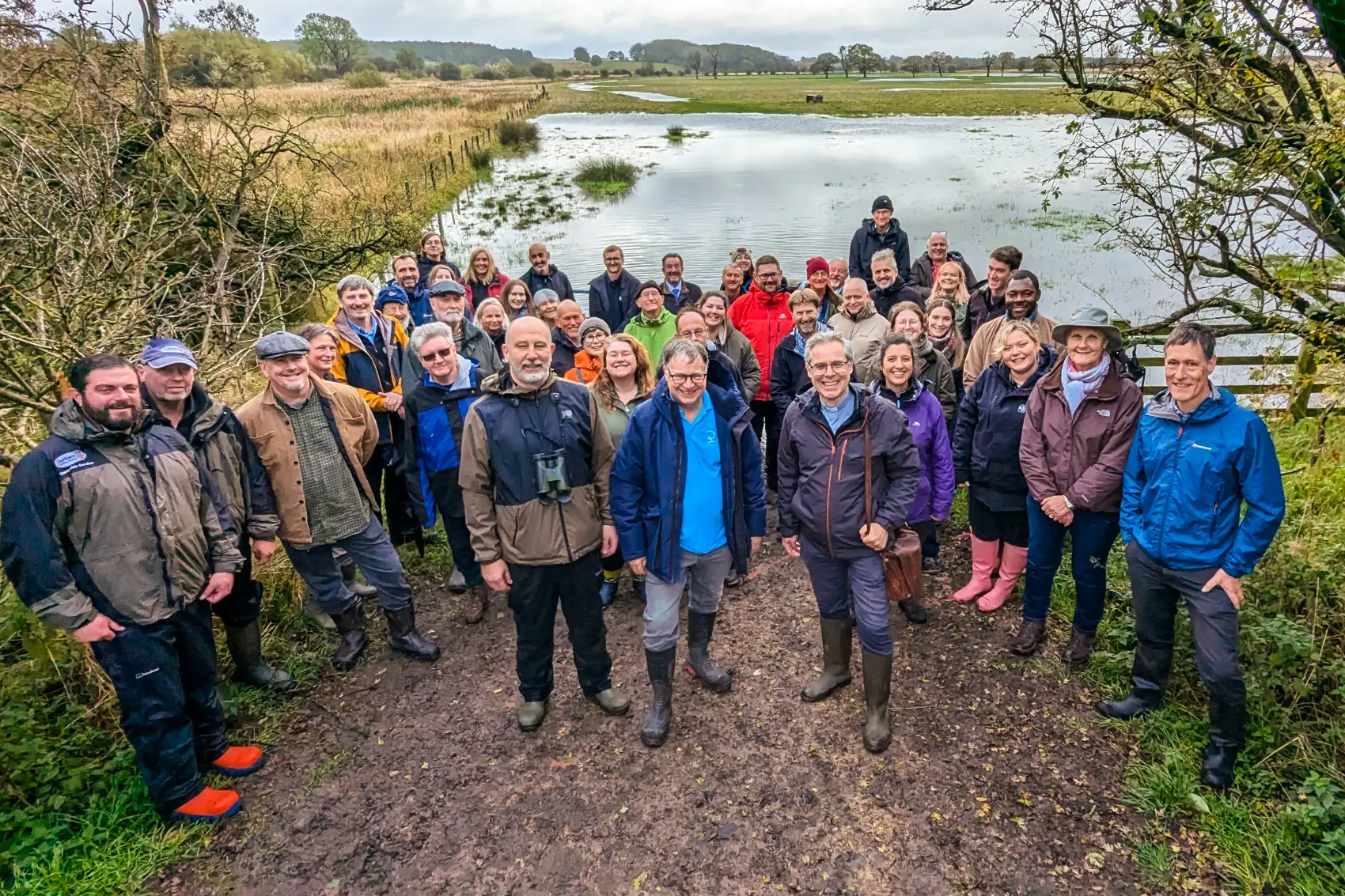
The Archdeacon of Auckland, the Venerable Rick Simpson was delighted to be invited to officially open a new nature reserve…
Two churches in Durham Diocese will receive funding for net zero projects as part of a national initiative. St Andrew’s…